Five Dollars and a Prayer: How to Give When You Don't Know Who to Trust
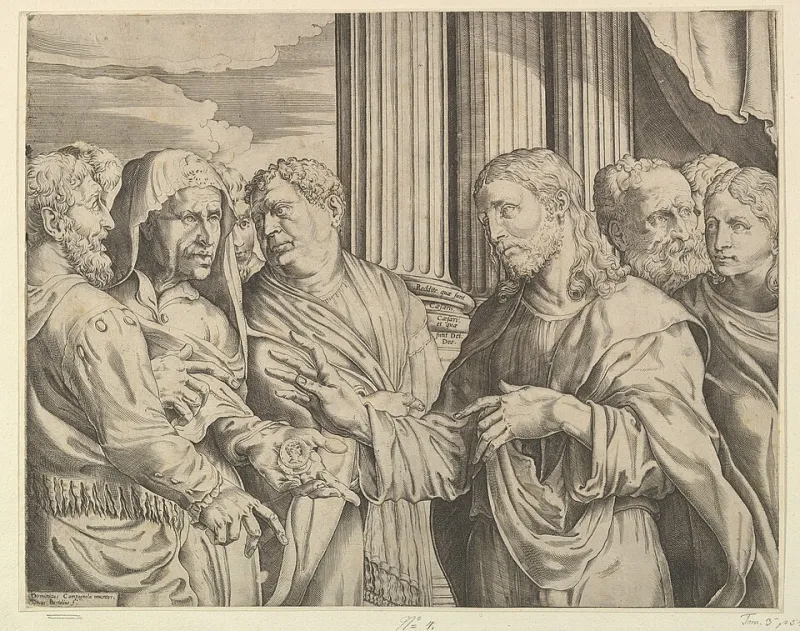
Photo: Domenico Campagnola, CC0, via Wikimedia Commons
Let's name the feeling first, because most of us know it.
You see a need. Five dollars crosses your mind. Then a voice pipes up: How do you know it actually gets there? What if it pays somebody's third vacation? What if it's a scam?
And so the five dollars stays in your pocket, and the need stays a need, and the distrust feels a lot like prudence.
Here's our honest take: the fear isn't crazy. Charity scams are real, and small-dollar donors get targeted precisely because nobody audits a five-dollar gift. But fear isn't the same thing as wisdom, and refusing to give isn't the same thing as giving well. So let's walk through this like grown-ups.
First, the Math Nobody Wants to Hear
We'll say the uncomfortable part out loud: your five dollars, by itself, doesn't change a system. It doesn't end hunger in Knoxville or fix the housing crisis.
But that's not what it's for. Your five dollars joined to five hundred other five-dollar bills is a pallet of groceries at a distribution center. That's how most food ministries in this city are funded — not by a handful of large checks, but by a river of small ones. FISH of Greater Knoxville and food pantries across the county run on exactly this kind of giving.
The question was never whether five dollars matters in isolation. It's whether you'll be part of the river or not.
The Overhead Panic, Reconsidered
Somewhere along the way, donors got convinced that "overhead" is a dirty word — that a good charity spends almost nothing on itself.
Think about what that actually demands. A food pantry with zero overhead has no building, no truck, no refrigerator, and nobody qualified to keep the books. That pantry feeds no one.
Overhead isn't the enemy. Wasteful overhead is, and there's a difference. A ministry paying a fair salary to a competent director is investing in the work. A ministry paying a fortune in direct-mail fundraising fees to chase more donations is, often, a fundraising machine that occasionally does charity.
Watch the trend, not the single number. Does the money flowing in roughly match the services flowing out, year after year? That's a healthier signal than any one ratio.
Red Flags That Should Actually Worry You
Trust your gut on these, because they're legitimate:
- Pressure and urgency. Legitimate causes will still exist tomorrow. Anyone pushing "give in the next ten minutes" is managing your emotions, not your money.
- Vagueness about location and mission. If you can't tell whether the group operates in Knoxville or somewhere you've never heard of, that's the point.
- No trail. No website, no registration with the state of Tennessee, no financials anywhere. Charities operating in Tennessee are required to register; a quick search through the Secretary of State's business records takes two minutes.
- Payment oddities. Requests for gift cards, wire transfers, or cash apps to personal accounts are how scammers operate, not how real ministries collect donations.
- Emotional photos, zero specifics. Real organizations can tell you what they did last month, roughly how many people they served, and who runs the place.
Green Flags Worth Looking For
On the flip side, here's what we'd want to see before giving — and what we'd want people to see when they give through us:
- A named board and staff you can actually look up.
- A local address and a phone number a human answers.
- Specific, modest claims. "We served 4,200 meals in October" beats "we're ending hunger."
- Third-party visibility. A charity rating on Charity Navigator or GuideStar/Candid isn't a guarantee, but it shows the organization isn't hiding.
- A relationship with the community. Real ministries in Knoxville are known by the churches, schools, and agencies around them. Ask a pastor or a neighbor. Local reputation travels fast in both directions.
The Knoxville Shortcut
Here's the honest advantage of giving locally: you can kick the tires. You can drive past the building. You can volunteer for an afternoon and watch how the place runs before you give a dime. You can ask someone who received help whether the help was real.
You can't do any of that with a late-night TV appeal. Proximity is a vetting tool, and it's free.
One Last Thing, From Us
Distrust is a real cost too. The person who gives nothing because they're waiting for a perfect charity isn't protecting the poor — they're just keeping their money warm.
So give your five dollars. Ask one or two smart questions first. Pick a place you can see with your own eyes. And then let the giving be what it was always supposed to be: an act of faith with your eyes open, not a transaction you can fully audit.
That's not naivety. That's just love, doing its homework.