The Map on the Church Wall: What Happens When a Congregation Tracks Its Prayers by Street Address
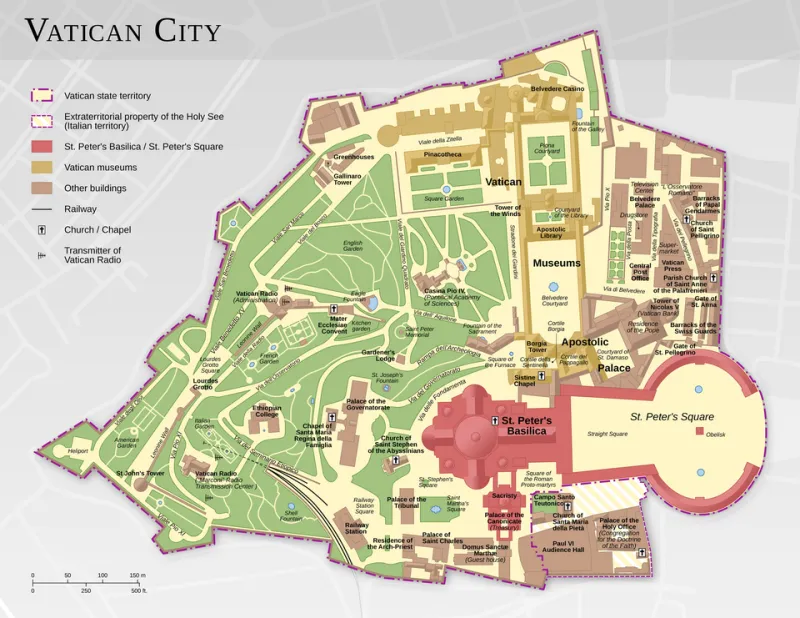
Photo: Thoroe, CC BY-SA 3.0, via Wikimedia Commons
There's a map hanging in the fellowship hall of a Knoxville church — nothing fancy, just a printed street grid from the county GIS office with colored pins scattered across it. Red pins for financial hardship. Blue for illness. Yellow for loneliness. Every pin represents a prayer request that came through the Sunday collection card, the midweek email, or a phone call to the church office.
For years, those requests lived in a binder. Someone read them aloud on Wednesday nights, everyone bowed their heads, and then — and this is the part that stung when the staff finally admitted it — nothing much happened next. The prayers were sincere. The binder just had no follow-through built into it.
When the Pins Start Clustering
The shift began when a retired geography teacher in the congregation asked a simple question: where, exactly, are these needs coming from? She took three months of prayer cards and stuck them to a map. The clusters were impossible to ignore.
Six requests for help with utility bills came from the same three streets off Magnolia. Four elderly members lived within a mile of each other, all praying for company more than anything else. A handful of families in one apartment complex were all quietly dealing with job loss after the same plant downsized.
Nobody had planned it this way. But once the need had a geography, it was much harder to pray about it in the abstract and walk away.
From Prayer Card to Action Plan
Here's what makes this approach worth copying: the map didn't just reveal need, it assigned it.
The church started treating prayer requests like a triage list. The cluster of utility-bill prayers got a response team — two members who knew how to navigate KUB's payment assistance programs and the LIHEAP application process. The lonely seniors got a visitation rotation, with different volunteers assigned by proximity, so nobody was driving forty-five minutes to check on a neighbor while someone three streets away went weeks without a visitor.
The apartment complex with the job losses? Instead of a one-time food drop, the church connected those families with Knoxville-Knox County Community Action Committee's employment services and kept the food pantry open an extra evening to fit second-shift schedules.
None of this required a new budget line or a hired coordinator. It required looking at information the church already had — and was already praying over — and refusing to let it stay anonymous.
The Uncomfortable Part
Let's be honest about why most churches don't do this. Prayer requests are treated as confidential, and rightly so. But there's a difference between protecting someone's privacy and keeping their need vague enough that nobody has to act on it.
The congregation worked this out with a simple rule: details stay in the office, geography goes on the map. Volunteers know "a family on the 3700 block needs help with rent," not names or circumstances they haven't been given permission to share. The person praying still gets their dignity; the church still gets a target.
There's another discomfort worth naming. A map makes failure visible. When the yellow pins for loneliness kept multiplying in one neighborhood for six straight months, the visitation team couldn't pretend their efforts were working. That's not a flaw in the system. That's the system doing its job.
You Don't Need a Geography Teacher
Any congregation could start this with a corkboard, a city map, and a box of pins. The tools don't matter. What matters is the conviction underneath it — that a prayer request is the beginning of a relationship with a neighbor, not the end of a obligation.
Scripture doesn't say "pray for the needy" and leave it there. The letters of John ask, plainly, how God's love can remain in anyone who sees a brother in need and shuts up his heart against him. A map on the wall is just a way of refusing to shut that door — of making sure that when we say "we're praying for you," we can also say, honestly, "and here's what we're doing about it."
The pins keep going up. The clusters keep getting answered. And the binder, for what it's worth, has been retired.