No ID, No Door: The Knoxville Ministry Rebuilding Paper Lives One Birth Certificate at a Time
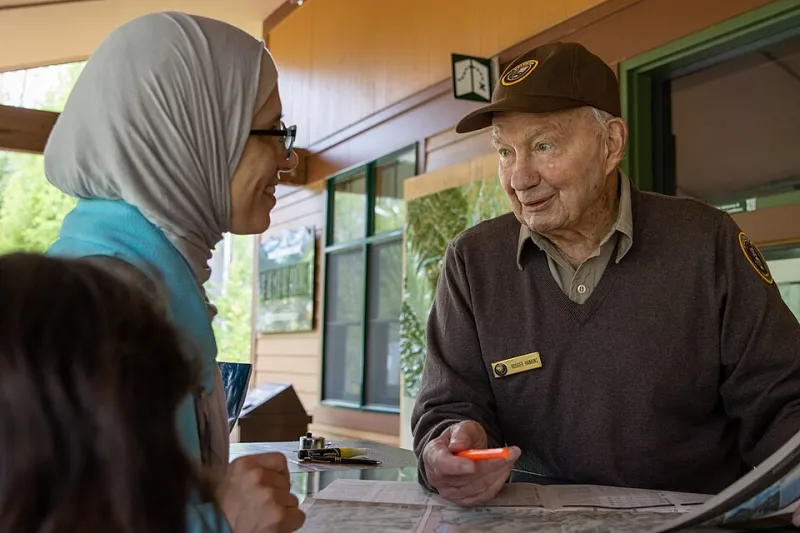
Photo: GlacierNPS, Public domain, via Wikimedia Commons
A folder sits on a folding table in a Knoxville fellowship hall. It is not much to look at — manila, slightly bent at the corner, held shut with a rubber band. Inside is a birth certificate, a couple of old pay stubs, and a handwritten list of phone numbers. For the volunteer across the table, it is a case file. For the neighbor sitting next to it, it is the beginning of a way back in.
In 2026, congregations around Knoxville are taking on a ministry that rarely gets a spotlight: ID recovery. It is not glamorous. It does not photograph well. But it is often the first step toward housing, employment, benefits, a bank account, or a lease. Without a state ID or a certified birth certificate, doors that look open stay locked.
Why a Birth Certificate Is Not a Small Thing
Most of us have a birth certificate in a drawer somewhere, maybe in a fireproof box, maybe at a parent's house. We don't think about it until we need it. But for neighbors who have experienced homelessness, reentry after incarceration, foster care, or a disaster, documents are often the first things lost and the hardest things to replace.
A replacement birth certificate can cost $15 to $30, depending on the state. A Tennessee state ID has its own fee. Then there is the paperwork: proof of identity, proof of residency, sometimes a trip to the health department or a county clerk's office. Online systems help some people. They confuse others. And if you do not have a mailing address, a printer, or a way to get across town, a simple errand becomes a week-long obstacle course.
That is where the church basement table comes in.
The Table in the Fellowship Hall
At several Knoxville congregations, volunteers run what amounts to a document recovery desk. Some operate weekly. Some are appointment-only. Most started because a pastor or a deacon noticed a pattern: people asking for help with rent or groceries who could not apply for the programs they needed because they had no ID.
Volunteers help neighbors make a list of what is missing. They print forms. They call vital records offices. They explain what a certified copy means and why the photocopy from grandma's Bible does not count. They pay fees from a discretionary fund when needed. And they follow up — not once, but until the folder has a card inside it.
The work is not legal advice, and volunteers are careful to say so. It is accompaniment. A neighbor does not have to figure out the system alone at a library computer with a 30-minute session limit.
The DMV Is Its Own Kind of Wilderness
If the birth certificate is the first gate, the DMV is the second. Tennessee has specific requirements for proof of identity and residency. Volunteers help neighbors gather the right mail, fill out the right forms, and schedule appointments when the online system allows it. Some churches provide rides to the DMV. Others sit on hold with the health department so the neighbor does not have to.
The goal is not to shortcut the process. It is to make the process survivable. There is a difference between helping someone understand the rules and helping them break them. Knoxville volunteers stay on the right side of that line. They call ahead. They ask questions. They keep a binder of what worked last time.
What Churches Bring That Agencies Can't Always
Caseworkers are stretched thin. Nonprofits have eligibility rules. Government offices have hours. Churches have folding chairs, coffee, and time.
That matters more than it sounds. ID recovery requires patience, and patience is hard to schedule. A volunteer can sit with a neighbor for two hours and work through a list of phone numbers. A volunteer can drive to the health department and wait. A volunteer can remember that the neighbor prefers a phone call, not a text.
There is also trust. A church that has been serving meals or running a food pantry for years has a relationship. People come back. They bring friends. They tell the truth about what they lost because someone has already proven they will not be shamed.
How to Help Without Making It Weird
If your congregation wants to start an ID recovery ministry, the first step is not a big budget. It is a reliable volunteer and a clear process. Learn what documents are actually required in Tennessee. Build relationships with the health department, the county clerk, and local social service agencies. Set boundaries about what you can and cannot do.
Then think about the small stuff. A fee fund helps. So does a printer, a phone, and a folder. Rides help. So does a calendar. And privacy matters — do not photograph documents, do not share names, and do not turn someone's lost wallet into a sermon illustration.
The work is quiet. It is a plastic card in a paper envelope. It is a birth certificate pulled from a county office and handed across a table. It is a neighbor who can finally apply for an apartment, a job, or a benefit because someone sat with them long enough to get the paperwork right.
In Knoxville, that is what faith in action looks like in 2026: neighbors helping neighbors, one folder at a time.