The Fold-Out Bed Isn't the Point: Inside Knoxville's Medical Respite Rooms
A hospital discharge planner can hand someone a folder full of instructions—wound care, medication timing, follow-up appointments—and still watch the plan fall apart before the elevator doors close. The missing piece usually isn't medical. It's a bed. A door that locks. A place to keep medicine dry and food cold. Someone nearby who notices if the fever comes back.
In Knoxville, a handful of congregations have been quietly experimenting with a response that fits their buildings and their theology: short-term medical respite. Not a clinic. Not a shelter. Not a permanent housing program. A spare room, a caseworker, a volunteer schedule, and a lot of careful boundaries.
What Medical Respite Actually Is
Medical respite is short-term housing and support for someone who is well enough to leave the hospital but not well enough to recover on the street, in a car, or in a crowded situation that won't allow rest. It's usually for people experiencing homelessness or housing instability, and it works best when a hospital discharge planner, a social worker, and a community provider are all talking to each other.
The model isn't new nationally, but it's still rare in many local church basements. The Knoxville versions I've heard about are small by design. One room. Maybe two. A defined length of stay. A clear referral path. A volunteer coordinator who knows when to say no.
That last part matters. A church can offer hospitality without pretending to be a hospital. The congregations doing this well aren't advertising themselves as medical facilities. They're partnering with people who already do discharge planning and case management, then filling the gap those systems can't always fill: a safe place to land for a few weeks.
The Room Behind the Fellowship Hall
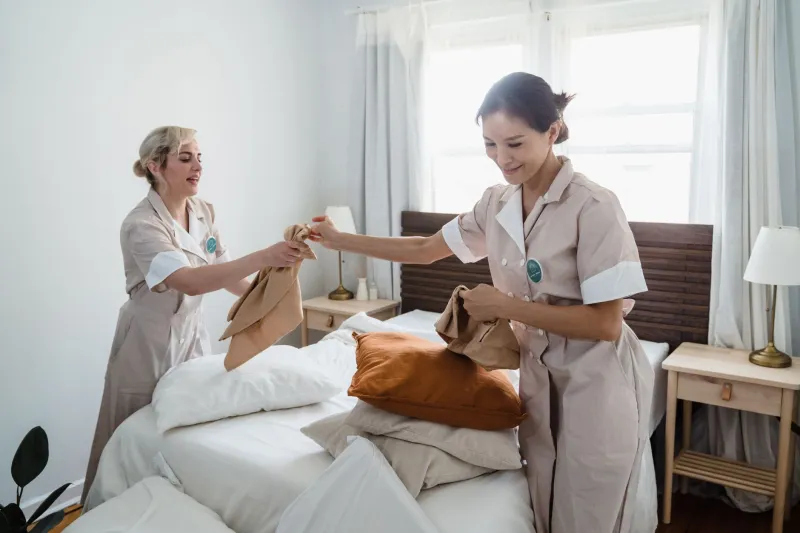
Picture a converted guest room off a fellowship hall. The linens are mismatched in the way that church linens always are. There's a nightstand with a hospital bracelet on it, a lamp, a phone charger, a plastic bin for medications, and a laminated sheet with emergency numbers. The bathroom is down the hall. The kitchen has a shelf labeled with the resident's name.
It doesn't look like much. That's the point. The room isn't trying to be impressive. It's trying to be boring, clean, and predictable—three things that are underrated when someone's body is trying to heal.
One volunteer I spoke with described the work as 'setting a table for someone who has been eating out of vending machines.' Another called it 'the least glamorous ministry in Knoxville.' Both were smiling when they said it.
The Safeguards Matter More Than the Sheets
The congregations that make this work don't start with a mattress. They start with a memorandum of understanding, a referral partner, and a long conversation about liability. The safeguards are not red tape. They are what allow the hospitality to be safe for everyone involved.
Common pieces include a written eligibility screen, a discharge plan reviewed by a caseworker, a medication policy that keeps volunteers out of clinical decisions, infection-control basics, background checks for overnight hosts, fire-code compliance, privacy rules, and a clear process for emergencies. Some programs limit stays to a set number of weeks. Some require daily check-ins. Some only accept referrals from specific hospital teams.
Volunteers are not asked to change dressings, manage prescriptions, or make medical calls. Licensed volunteers—nurses, social workers, physical therapists—may help within their scope, but the program's strength is that it doesn't rely on a church full of clinicians. It relies on people who can cook, drive, do laundry, set up a room, and follow a schedule.
Where Volunteers Actually Fit
The roles are ordinary, which is good news for anyone who has ever felt underqualified to serve. Meal teams prepare simple food and label it clearly. Laundry volunteers keep bedding and towels moving. Drivers handle follow-up appointments when a caseworker can't. Overnight hosts provide presence, not nursing care. Facilities volunteers fix grab bars, check smoke detectors, and make sure the shower is safe. Supply sorters keep the closet from turning into a pile of good intentions.
One of the most important volunteer jobs is the least visible: the intake coordinator who answers the phone, checks the referral, and says, 'Let me call you back' instead of 'Sure, bring them over.' That pause protects the guest, the church, and the volunteer who would otherwise be trying to solve a housing crisis at 9 p.m. on a Tuesday.
Training matters. Even a short orientation can cover boundaries, confidentiality, infection control, medication storage, and what to do when someone seems confused or in pain. The best programs also have a debrief habit—a way for volunteers to talk about what was hard without turning the guest into a case study.
The Supply Closet List
If you've ever organized a church closet, you know the difference between what people donate and what actually gets used. Medical respite programs tend to need the unglamorous stuff: twin sheets, waterproof mattress covers, easy-to-heat meals, low-sodium canned goods, individually wrapped snacks, unscented cleaning supplies, laundry detergent, toilet paper, hand soap, paper towels, adult incontinence supplies, phone chargers, gas cards, and sturdy shoes or slip-on slippers.
Durable medical equipment is often more complicated. Walkers and shower chairs can help, but they need to be clean, in good repair, and matched to the person. A church shouldn't become a medical equipment warehouse unless someone is willing to manage it. Cash donations are less exciting and more useful. They buy the exact items a caseworker requests instead of the items a donor guessed at.
What a Church Should Not Promise
A medical respite room is not a detox program, a psychiatric crisis unit, a nursing home, or a permanent housing solution. It is not a place to send someone because the hospital is tired of waiting. It is not a way for a congregation to bypass professional case management.
The strongest programs are honest about their limits. They say no to referrals that don't fit. They keep a list of other resources. They know that one church with one guest room cannot solve Knoxville's housing shortage, and they don't pretend otherwise. What they can do is keep one person from being discharged into a situation that will send them right back to the emergency department.
How to Help Without Overpromising
If you want to support this kind of work, start with a conversation, not a collection drive. Ask local congregations and outreach organizations whether they already have a respite program or are exploring one. Ask hospital social workers what they wish existed. Ask what they actually need, then do that.
You can volunteer for meals, laundry, transportation, or facilities upkeep. You can donate flexible funding. You can help a church think through fire codes and privacy policies. You can pray for people whose discharge day is scarier than their hospital stay. And you can resist the urge to turn a good idea into a big promise before the safeguards are in place.
Faith in action doesn't always look like a ribbon cutting. Sometimes it looks like a fold-out bed, a labeled shelf in the fridge, and a volunteer who shows up on time so someone else can rest. In Knoxville, that quiet work is happening one guest room at a time.