No Price Tags, No Vouchers, No Questions: The Knoxville Free Store Betting Everything on Generosity
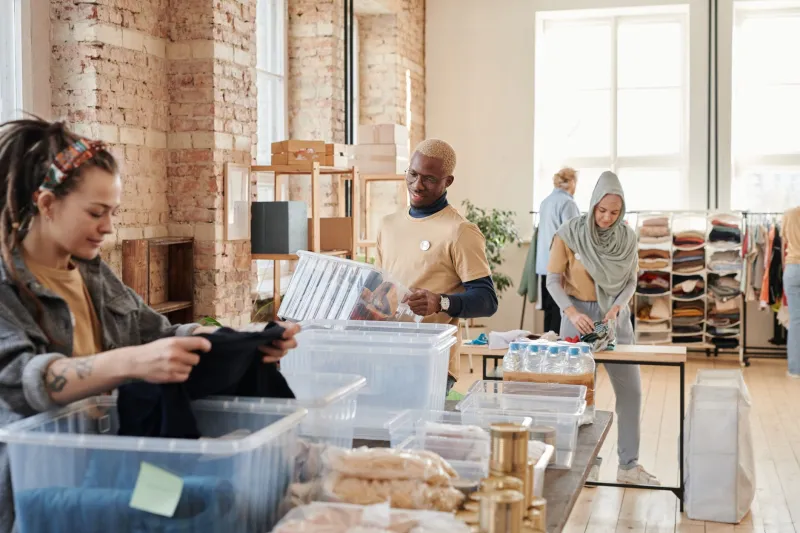
Walk into most thrift stores and you'll do the same thing everybody does: check the tag, do the math, decide. Walk into this one and you'll notice something missing almost before you notice anything else. There's no register. No price tags. No clipboard at the door asking for proof of need.
Just racks of clothes, shelves of dishes, a corner full of kids' bikes — and a volunteer who greets you like you might be a neighbor. Because in Knoxville, you are.
A Store Where Nobody Pays
The concept sounds almost reckless when you say it out loud. A church-run free shop that takes donations of clothing, furniture, small appliances, and household goods, then hands it all back out to whoever walks through the door. No vouchers from a social service agency. No income verification. No limit on how many times someone comes back.
The people running it will tell you the recklessness is the point.
"The moment you start requiring paperwork, you've told half the people who need it that they don't qualify," one longtime volunteer put it. "We'd rather give a coat to somebody who maybe didn't need it than turn away one person who did."
That philosophy — dignity first, questions later, questions actually never — shapes every detail of how the place runs.
The Unseen Machinery of Giving Things Away
Here's what surprises most first-time visitors: a free store is a lot of work. Maybe more work than a store with prices.
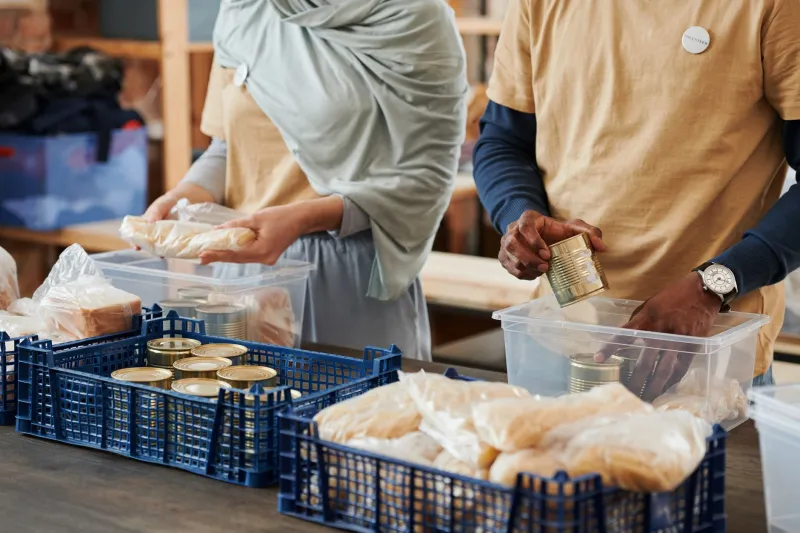
Donations arrive constantly. Bags of clothes from closet cleanouts. Furniture from estate clearances. Boxes of kitchenware from families downsizing after the last kid leaves for college. Every single item has to be sorted, checked for damage, cleaned up, and organized by size, season, and category.
That's where the volunteer crew comes in. Tuesday and Thursday mornings, you'll find a rotating cast of sorters in the back room — retirees who can spot a quality winter coat at twenty paces, young parents who know exactly which car seats are safe to pass along and which aren't, teenagers knocking out service hours who end up staying long after the requirement is met.
The sorting isn't just logistics. It's curation. Volunteers talk openly about wanting the shop to feel like a place worth shopping, not a place you're assigned to. Stains get pulled. Missing buttons get sewn. Furniture gets wiped down and photographed for the bulletin board. The unspoken standard: if it wouldn't be good enough for your own family, it doesn't go on the floor.
Dignity Is a Design Choice
The layout tells you a lot. There's a fitting area with an actual curtain. Shopping carts, not laundry baskets. A greeting at the door that's the same whether someone drives up in a truck worth six figures or walks in from the bus stop.
Guests aren't called "clients" or "recipients." They're shoppers, or neighbors, or — most often — just their own names.
Volunteers are trained on one simple rule: treat the shop like a real store, because for the people coming in, the experience of being treated like a normal customer is part of the gift. One volunteer remembered a woman who cried in the fitting room — not because of the coat she found, but because it was the first time in a year someone had asked her opinion on how it looked.
That's the kind of story the shop accumulates. The couch that furnished a family's first apartment after a house fire. The prom dress that made a high schooler's spring. The coffee maker handed to a man moving into sober housing with nothing but a duffel bag. Everything, as the regulars like to say, has a story on both ends — the person who gave it and the person who took it home.
Where the Donations Come From
A give-away economy only works if the inflow keeps pace with the outflow, and the shop has gotten creative about that. Church members donate, obviously. But so do neighborhood groups that run seasonal drives — winter coats in October, school supplies in August, fans and window units ahead of a Tennessee summer.
Local businesses occasionally clear out overstock or returned goods. Families going through a loss sometimes find that donating a loved one's belongings here feels more meaningful than a garage sale ever could.
What the shop can't use still doesn't go to waste. Worn-out linens get passed to animal shelters. Scrap fabric goes to a quilting group. The goal is a zero-waste mindset, because nothing undercuts a message of generous abundance quite like a dumpster full of discarded donations.
Want to Be Part of It?
The shop runs on three things: donations, sorters, and people willing to work the floor on open days. If you've got a Saturday morning free twice a month, they'll train you on sorting in one shift. If you've got a truck, they need drivers for furniture pickups — that's the bottleneck nobody sees until a donated dresser sits in the lobby for three weeks waiting for wheels.
And if you're cleaning out a closet, a garage, or a whole house, hold the good stuff back from the curb. That winter coat you haven't worn in two years? Somebody in this city needs it before the first freeze.
No price tags. No vouchers. No questions. Just a room full of things that used to matter to somebody, waiting to matter to somebody else. In a world that mostly runs on transactions, there's something quietly radical about a shop that runs on trust.
Turns out, in Knoxville, it's radical enough to keep the doors open.