They Threw Away the Clipboard: How One Knoxville Pantry Started Knowing Its Neighbors by Name
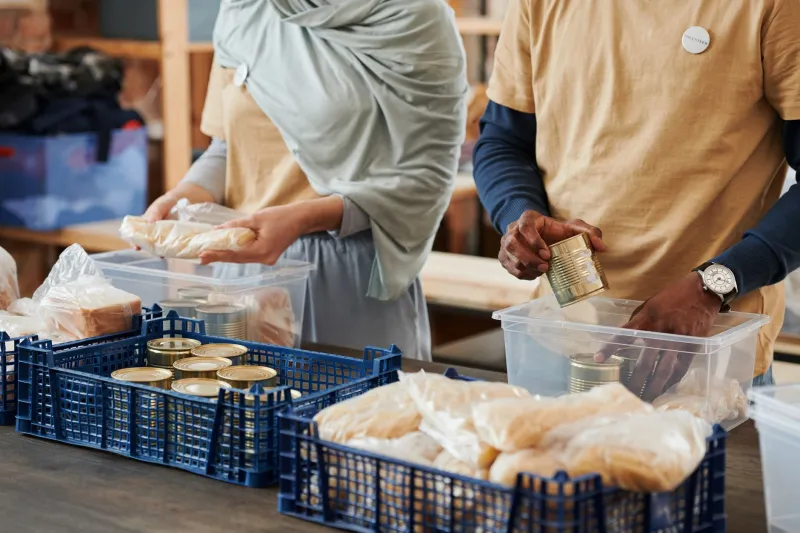
The clipboard is gone. If you visit the food pantry operating out of a church fellowship hall off Magnolia Avenue these days, nobody hands you a form asking for your household size, your income bracket, or a utility bill with your name on it. Instead, somebody walks up, introduces themselves, and asks how your week has been.
It sounds small. It is not small.
The Problem With Forms
For years, charitable food distribution in Knoxville ran on a model most of us never question: prove you qualify, receive your goods, go home. Volunteers behind folding tables. Families in front of them. A stack of intake sheets in between.
The system kept things orderly, sure. But ask the folks who stood in those lines and you'll hear the same word again and again: humiliating. Digging out a pay stub to prove you're poor enough for canned green beans does something to a person. Plenty of neighbors who needed help simply stopped coming.
A handful of Knoxville congregations started asking a harder question: what if the paperwork is the barrier, not the safeguard?
Meet Your Neighbor, Literally
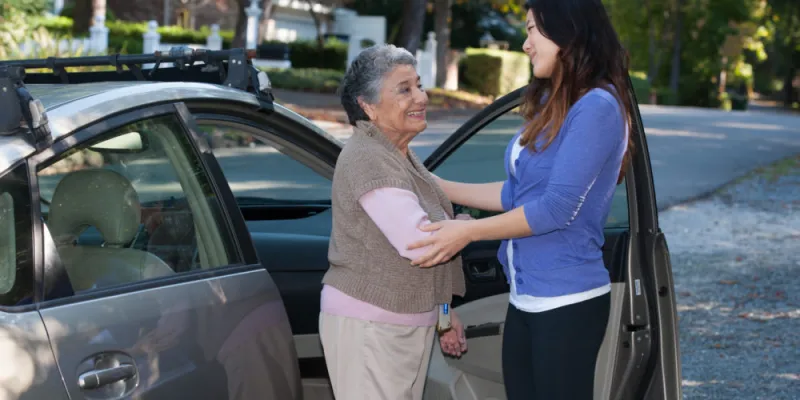
The model these churches landed on is almost stubbornly simple. Every household that comes through the door gets paired with a consistent volunteer — not a rotating cast of whoever showed up Saturday, but one person. Same face, every visit.
That volunteer learns the story behind the need. Missed work because of a surgery. A grandkid moved in. The car died and the bus route doesn't reach the new job. When you know the story, you stop stocking shelves for a stranger and start showing up for a neighbor.
One volunteer put it plainly: "I used to hand out boxes. Now I've sat in a courtroom waiting room and in the parking lot of a job interview, because that's what my friend needed that week."
What Changed on Both Sides of the Table
The families noticed first. People who used to time their visits for when nobody they knew might see them started lingering after pickup, drinking bad coffee, trading phone numbers. Attendance didn't just hold steady — it grew, mostly by word of mouth.
The volunteers noticed something too. Transactional charity burns people out fast; you never see the outcome, so you wonder if it mattered. Relational charity is slower and messier, but it feeds something back. One retired school cafeteria worker told us she's been paired with the same family for three years now. She was at the hospital when their youngest was born.
It's Not Chaos, It's Trust
The obvious objection: without verification, won't people take advantage? The honest answer from the churches doing this is rarely, and it's cheaper than the alternative. A few extra boxes of pasta is a small price for not making every struggling parent feel like a suspect. Most of these pantries still track basics — how many households, how many kids — but the tracking serves the neighbors now, not the paperwork.
Want In?
If your congregation is curious, the churches piloting this approach suggest starting small: pick ten households, assign ten volunteers, commit to six months. The skill required isn't social work training — it's consistency. Show up. Remember the name. Ask about the interview.
The clipboard made charity efficient. Relationships make it real. Knoxville's proving you don't have to choose between the two — but if you do, drop the clipboard first.