500 Bags, No Fanfare: Inside the Weekend Backpack Program That Follows Knoxville Kids Home
Photo: Darren McGee, CC BY 2.0, via Wikimedia Commons
The cafeteria at any elementary school in East Knoxville does a good job of hiding a hard truth. Monday through Friday, the lunch line catches most of the kids who might otherwise go without. But at 2:45 on Friday afternoon, that safety net disappears for two full days.
That's the gap the weekend backpack program exists to close — and in Knoxville, it's closing it one gallon-sized bag at a time.
What's Actually in the Bag
Open one up and you won't find anything fancy. Two shelf-stable milk boxes. A pop-top ravioli cup. Peanut butter crackers, a granola bar, a couple of fruit cups, instant oatmeal. Enough to get a kid through Saturday and Sunday without an empty stomach.
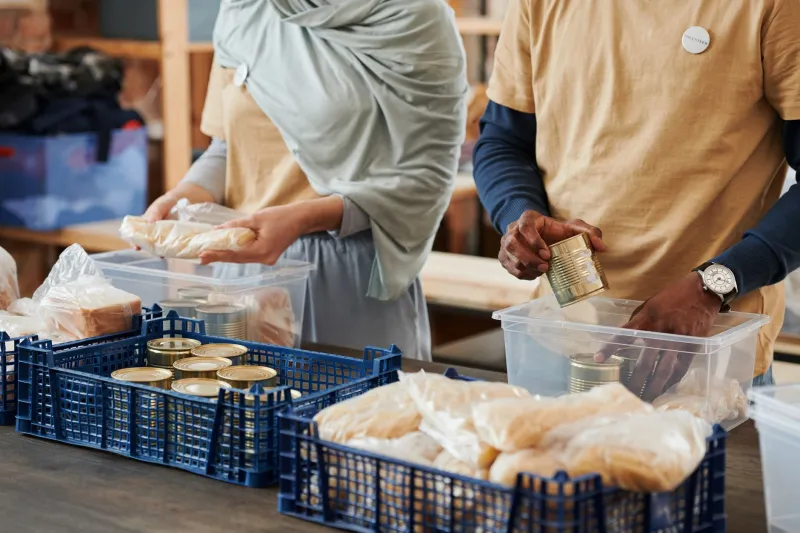
The food choices are deliberate. Everything must open without a can opener, cook without a stove, and carry without a parent. Volunteers learn quickly that a great deal on family-size soup cans is useless if a second grader can't lift it home.
The bags themselves matter just as much. No logos, no bright colors, nothing that screams "free food." Organizers slide them discreetly into kids' regular backpacks on Friday, often while the class is lining up for dismissal. Discretion is the whole design. Kids don't want their classmates to know.
The Logistics Nobody Sees
Packing 500 bags a week sounds simple until you do the math. That's roughly 2,000 milk boxes, 1,000 fruit cups, and 3,000 snack items moving through a church fellowship hall every seven days.
The Knoxville programs running at this scale rely on three moving parts:
Food sourcing. Most partner with Second Harvest Food Bank of East Tennessee, which lets them buy shelf-stable staples at pennies on the dollar compared to retail. A single weekend bag costs the program about $6 to $8 to fill — which means $500 in donations feeds roughly 70 kids for a weekend.
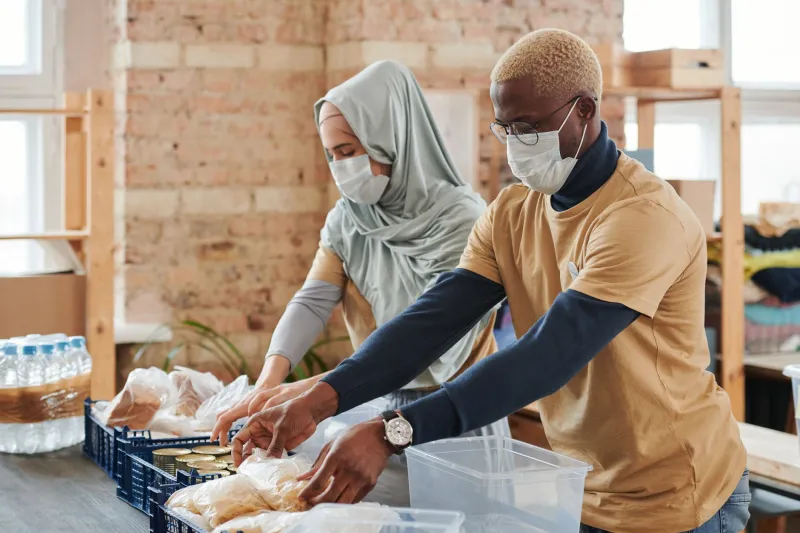
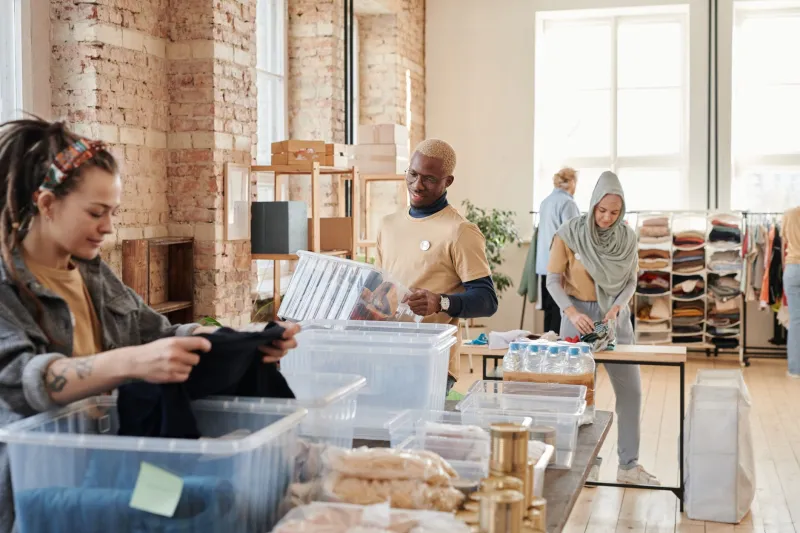
Packing lines. Think of it as a small-scale assembly operation. Volunteers at one West Knoxville congregation set up folding tables in a horseshoe and pass items down the line, filling bags in under 90 minutes. Retirees, youth groups, and a few folks fulfilling court-ordered service hours all work shoulder to shoulder.
School coordination. This is the part that runs on trust. School counselors and teachers quietly identify which students need bags — usually based on behavior on Monday mornings, when hunger from the weekend shows up first. Parents sign a simple permission form. Nobody's name goes on a list that a kid could be embarrassed by.
The Money Question
Funding is the chronic headache. Most programs survive on a patchwork of small grants, a church budget line, and one or two annual fundraisers. A Knoxville-area program we visited leans on an annual chili cook-off and a standing arrangement with a local grocery store that donates near-date inventory.
The most sustainable programs, though, are the ones where giving is built into the rhythm of congregational life. One church asks members to bring a single item each month — a jar of peanut butter on first Sundays, oatmeal on third Sundays. It adds up to a full packing week without anyone feeling pinched.
How Your Congregation Can Start One
The good news: you don't need to launch at 500 bags. Most Knoxville programs started with 12.
Here's the honest sequence:
- Call the school first. Before you buy a single granola bar, talk to the counselor or family resource coordinator. They know the need, the numbers, and the privacy rules. Let them lead.
- Partner with Second Harvest. Their purchasing power turns your dollar into four. Trying to shop retail for hundreds of bags will burn out your budget by November.
- Recruit a packing crew of six to ten. That's enough for a start-up run of 30 to 50 bags.
- Build in privacy from day one. Plain bags, discreet handoff, counselor as the point of contact. Protect the kids' dignity like it's part of the meal — because it is.
- Set a review date. Reassess after a semester. What's getting eaten? What's coming home untouched? Adjust.
If starting something feels like too much, the easier door is wide open: established programs need packers on weekday mornings, drivers to shuttle bags to schools, and monthly donors who can commit to even $10 a month. That's two bags. Two kids who eat this weekend.
It's not glamorous work. Nobody films it. But every Friday afternoon, a few hundred Knoxville kids walk out of school carrying a little more than homework — and a lot less worry.