Before the First Freeze: Inside Knoxville's Race to Reach Every Neighbor Left Out in the Cold

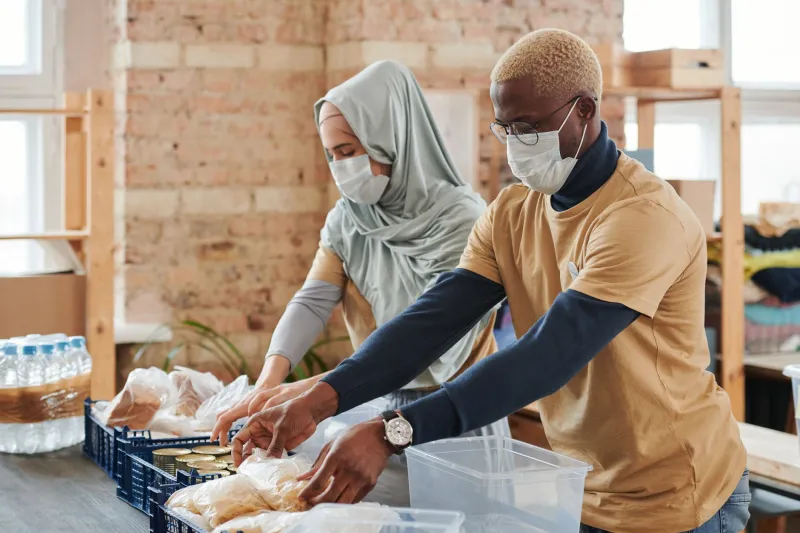
Photo: Sandro Halank, Wikimedia Commons, CC BY-SA 4.0, via Wikimedia Commons
There's a moment every October in Knoxville when the forecast turns. The highs still hit the 70s, but the overnight lows start dipping — 45, then 38, then that first night when the wind cuts through and you remember why you keep a spare coat in the car.
For most of us, that's a nuisance. For our unhoused neighbors camped along the Tennessee River or tucked behind storefronts on Magnolia Avenue, that first cold snap is a genuine emergency. And the people who answer it are already mobilizing.
The Network Nobody Sees
Cold-weather ministry in Knoxville isn't one organization. It's a patchwork — churches that open fellowship halls as overflow shelters, volunteer drivers who run routes picking up donated coats, teams that walk the same downtown blocks every night handing out hand warmers and checking on familiar faces.
The logistics are more complicated than most people realize. A warming shelter isn't just a building with a door. It needs volunteers to staff overnight shifts, a plan for folks who show up with mental health crises or substance dependencies, transportation for people who can't reach the site, and a way to track who's been served so nobody falls through the cracks on the coldest night of the year.
When temperatures drop below the city's cold-weather threshold, extra shelter capacity opens up — and that only works because volunteers signed up weeks earlier. That's the part people miss. By the time you're scraping your windshield, the window to prepare has mostly closed.
What Actually Gets Used
Talk to anyone running a coat drive and they'll tell you the same thing: not all donations are equal.
High-demand items: men's winter coats in larger sizes (always the biggest gap), new socks and underwear, sleeping bags rated for freezing temps, thermal gloves, tarps, and sturdy boots.
Less useful: worn-out summer clothing, formal wear, and anything with broken zippers. Well-meaning closets get cleaned out every January, but a wet dress shirt doesn't keep anyone warm at 2 a.m.
Blankets are perennial — fleece and wool hold up better than thin cotton throws. And the small stuff matters more than you'd think: lip balm, disposable hand warmers, and travel-size toiletries get grabbed fast.
How to Plug In Before the Cold Hits
If you want to be useful this winter, the calendar matters more than the calendar says. Here's the realistic timeline:
Now through early November is donation season. Churches and outreach centers are sorting and stockpiling so they can distribute quickly when the temperature drops. A coat dropped off in October is a coat on someone's back in December. A coat dropped off in January is often a coat still sitting in a donation bin.
November and December are when overnight shelter volunteer shifts need filling. Overnight sounds intimidating, but many sites break it into four-hour blocks — a late-evening intake shift, a midnight-to-3 a.m. watch, a pre-dawn shift that helps with breakfast and checkout. If you can't do overnight, daytime prep work (laundry, meal packing, donation sorting) is just as needed.
January and February are when burnout hits. The volunteers who signed up in November are tired, the donations have slowed, and the coldest nights of the year are still ahead. Showing up in February — when the novelty has worn off — is arguably the most valuable thing you can do.
More Than a Warm Body
Here's what seasoned cold-weather volunteers will tell you: the coats and blankets matter, but consistency matters more. The people who walk the same blocks every week learn names. They know who was missing last night. They know who's been coughing for a week and needs a clinic referral, not another granola bar.
That's the quiet genius of faith-based outreach — it's built on showing up repeatedly, not dropping by once. You don't have to be a theologian to do it. You just have to come back.
A Simple First Step
If you're not sure where to start, do this: pick one item from the high-demand list above, buy it new this week, and drop it off at a local church or outreach center that collects winter gear. Then put a recurring reminder on your phone for February.
That's it. One coat now, one hour of your time in the deepest cold. It's not a hero's journey — it's just a neighbor noticing the forecast and deciding to do something about it.
The first freeze is coming. It always does. The question is whether we'll be ready before it arrives.