When the Offering Plate Meets the City Council Agenda
Photo: Unknown authorUnknown author, CC BY-SA 4.0, via Wikimedia Commons
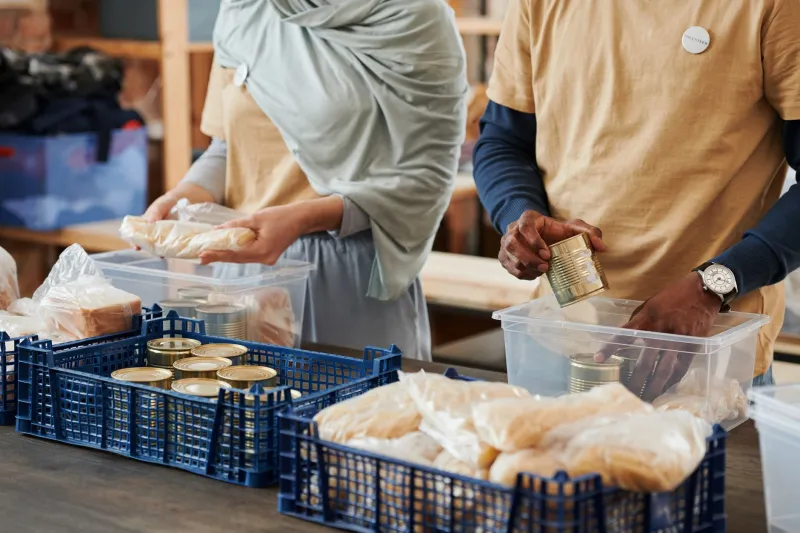
Walk through the basement of almost any Knoxville congregation on a weekday and you'll find the same beautiful scene: volunteers sorting donations, packing boxes, keeping the lights on for neighbors in a tight spot. This is the church at its most tangible, and nobody at Good Samaritan Knoxville is suggesting it slow down.
But here's the harder question a growing number of local faith leaders are asking: what if we spent some of that same energy on the reasons the line keeps forming?
That question is quietly reshaping outreach across the city. Congregations that once limited their public witness to direct charity are now showing up at budget hearings, partnering on housing policy, and learning the unglamorous language of zoning codes and benefit enrollment. It's charity and advocacy, side by side — and it might be the most important volunteer shift happening in Knoxville right now.
Why Good Works Alone Hit a Ceiling
Every experienced food pantry director knows the math. You can feed a family this week, and you should. But if the family's rent jumped 30 percent, no amount of canned goods fixes the problem. If a utility bill spike forces the choice between power and prescriptions, that's not a charity gap — it's a policy gap.
Faith leaders around Knoxville have started naming this openly. Direct service, they'll tell you, is the command to love your neighbor. Advocacy is the command to love your neighbor's neighbor — the hundreds of families who will hit the same wall next year unless something structural changes. Both are ministry. Only one of them changes the wall.
Local Leaders Leading the Way
The examples here aren't hypothetical. Over the past few years, Knoxville congregations and faith-based coalitions have:
- Testified at city council and county commission meetings on affordable housing measures, bringing both data and personal stories from their own food pantry and assistance logs.
- Partnered with nonprofit coalitions working on eviction prevention, adding congregational volunteers to tenant education and emergency rent assistance efforts.
- Hosted nonpartisan information sessions where neighbors can learn about benefit programs, voting, and how the local budget process actually works — no party politics required, just civic literacy as an act of care.
- Trained volunteers to spot systemic patterns. When your intake forms reveal that forty families in one zip code are all struggling with the same problem, that's not coincidence. That's a clue.
What's striking about these leaders is how un-political their posture is. They're not running candidates or endorsing platforms. They're doing what the Bible calls justice work: asking why the vulnerable keep getting hurt, and whether the systems around them can be repaired.
The Volunteer Angle: New Jobs Nobody Told You About
Here's what excites us most at Good Samaritan Knoxville: advocacy creates volunteer opportunities that don't require a food handler's permit.
If your gifts run toward research, writing, or public speaking, ministries and coalitions need people who can read a proposed ordinance and summarize it in plain English. They need note-takers at public meetings. They need neighbors willing to share their story — with coaching and consent — at a hearing. They need drivers to bring folks to the county courthouse on a Tuesday night. They need phone-callers for action alerts when a budget vote is days away.
In other words: the quiet person in your pew who dreads the soup kitchen line but can write a mean letter to the editor? There's a seat for them now.
A Starter Guide for Congregations Ready to Step Up
If your church is curious about moving from the basement to the budget line, here's a realistic on-ramp:
- Listen before you legislate. Spend one month cataloguing what your direct-service ministries already see. The patterns in your own intake forms are your advocacy agenda.
- Find your coalition. You don't need to start from scratch. Knoxville has established nonprofits and interfaith groups already working on housing, food access, and healthcare. Ask where the gaps in volunteers and voices are.
- Learn the calendar. City council and county commission meetings are public, scheduled, and open for comment. Assign one person to track agendas each month.
- Start with one issue. Housing or food insecurity — pick the one your congregation has the most firsthand evidence for. Depth beats breadth.
- Set guardrails. Decide in advance what partisan lines you won't cross. The goal is policy for people, not politics.
- Bring the stories. Statistics open minds; neighbors open hearts. Always pair the two, and always with permission.
Both Hands on the Plow
Nobody's suggesting Knoxville's churches abandon the food pantry for the committee room. The pantry line is where the ministry learns what's true. Advocacy is where it asks what should change.
The most faithful congregations will keep doing both — serving the neighbor at the door on Saturday and asking the county why the door is locked in the first place on Monday. That's not a contradiction. That's the whole Gospel, applied at two altitudes.
If your church wants help finding an advocacy volunteer role that fits, reach out to us or to any of the coalitions already doing this work. The line at the pantry is telling you something. It's time some of us went and asked it questions.