Blood Pressure Cuffs and Folding Chairs: The Saturday Morning Health Ministry You Haven't Heard About
Photo: volunteer nurse taking blood pressure at community health screening church, via cdn.pixabay.com
The sign on the door of Cedar Lane Presbyterian's fellowship hall says "Community Health Saturday," but honestly, it undersells what's happening inside. By 8:45 a.m., folding chairs line the walls, a blood pressure station hums in the corner, and a retired cardiologist named Dr. James Whitfield is already on his second cup of church-basement coffee.
This is Knoxville's quietest healthcare system — no waiting rooms, no copays, no insurance cards. Just neighbors checking on neighbors.
A Saturday in the Annex
Volunteers start trickling in around 8:15. There's a phlebotomist from a West Knoxville lab, two nursing students from the University of Tennessee, and Ruthie, a 71-year-old retired ER nurse who everyone simply calls "the boss."
Ruthie, who asked that we use only her first name, has been running parish-based screening clinics for nearly a decade. She calls herself a health missionary, though she laughs at the title. "I'm not going overseas," she says. "My mission field is the guy who walks in here with a blood pressure of 180 over 110 and no idea what that means."
By 9 a.m., the first visitors arrive. Some come for a free diabetes screening. Others need help understanding a stack of medical bills or finding a sliding-scale doctor who'll actually see them. A few just want someone to take their blood pressure without charging them $75 for the privilege.
Ruthie moves between stations with the calm of someone who's seen everything twice. She checks readings, asks about medications, and — most importantly — listens. That last part might be the real ministry.
Filling a Gap Nobody Planned
East Tennessee has some of the state's highest rates of hypertension and diabetes, and pockets of Knox County where the nearest primary care office might as well be in another time zone. For folks without insurance, transportation, or trust in the medical system, a church annex can feel a lot less intimidating than a hospital lobby.
That's the genius of the model: the congregation already has the building, the parking lot, and — crucially — the relationships. When your neighbor from Sunday dinner tells you a screening is happening at the church you attend, showing up doesn't feel like charity. It feels like family.
The clinics don't replace doctors. Nobody's doing surgery next to the coffee urns. What they do is catch problems early, untangle the referral process, and walk people to the next step. When Ruthie finds a dangerous reading, she doesn't just hand over a pamphlet. She makes a call. She follows up the next week. She prays with people if they want it, and minds her own business if they don't.
More Than Medical
Spend a full Saturday at one of these clinics and you notice something else. People linger. They stay for the coffee and the conversation. A woman from Mechanicsville tells Ruthie about her grandkids. A man who lost his job over the winter asks, almost as an afterthought, whether anybody knows who's hiring.
The volunteers keep a running list — a food pantry here, a rent assistance program there, a church van that runs errands for seniors on Tuesdays. The clinic is a doorway, and everyone who walks through it gets pointed somewhere useful.
"We're not just checking numbers," Ruthie says. "We're checking on people. There's a difference."
Want to Help? Here's How
If this sounds like something you'd like to be part of, good news — the need is real and the barriers to entry are low.
If you have medical training: Retired and practicing nurses, physicians, pharmacists, and lab techs are the backbone of every clinic. Even one Saturday a quarter makes a difference. Most sites will happily verify your license and get you oriented in a single morning.
If you don't: Lay health navigators are in short supply. These are volunteers who handle the paperwork, the follow-up calls, the translation of medical jargon into plain English. Warmth and patience are the only prerequisites.
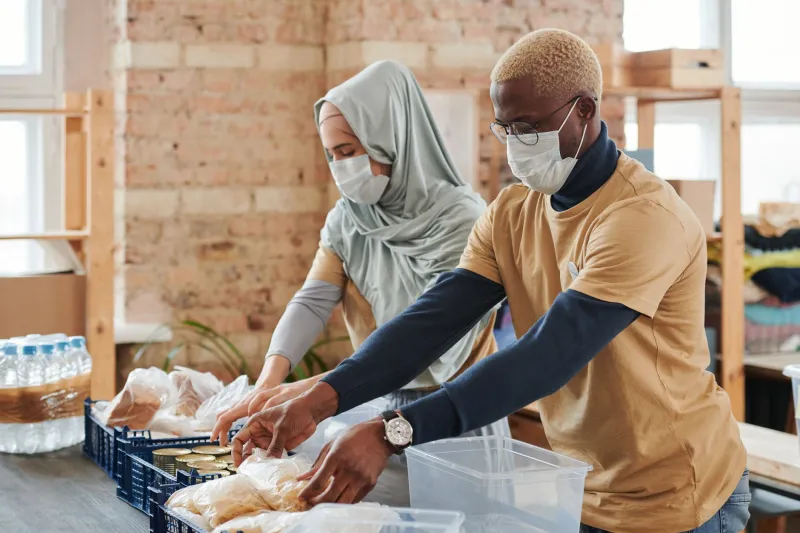
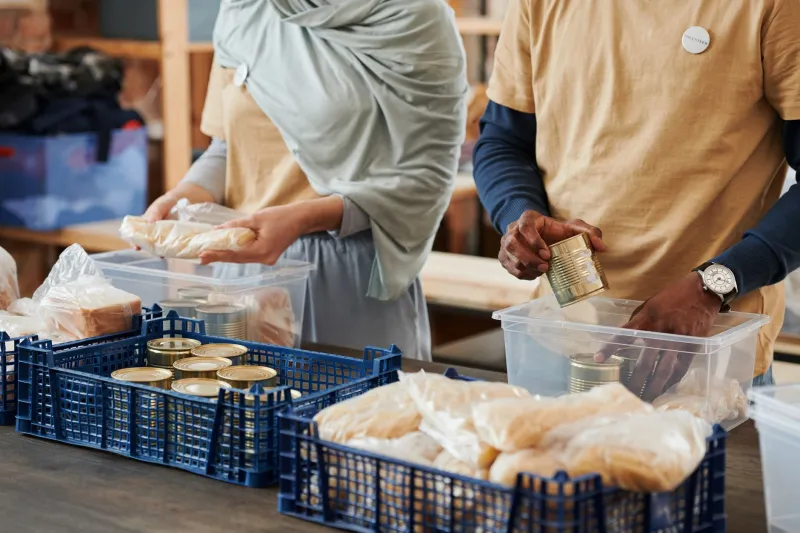
If you'd rather work behind the scenes: Someone has to set up chairs, register visitors, brew the coffee, and run the childcare corner so parents can be seen. That someone could be you.
If you need the help yourself: Most congregational clinics operate on a walk-in basis, usually Saturday mornings, and never ask for insurance or ID. Call any Knoxville-area church and ask if they host a health ministry — if they don't, they'll likely know who does.
The Long Game
Ruthie's been at this long enough to see the payoff. A man she flagged for hypertension four years ago is still on his medication. A young mother she connected with prenatal care sent a photo of her baby to the church office last Christmas.
"Nobody claps for this work," she says, echoing a sentiment we've heard from volunteers all over this city. "But I figure God keeps the receipts."
The folding chairs go back in the closet by noon. The cuff goes in a plastic bin. And next Saturday, Lord willing and the coffee holding out, they'll do it all again.