Sign-Up Sheet at the Funeral Home: How Knoxville Churches Are Rethinking the Casserole
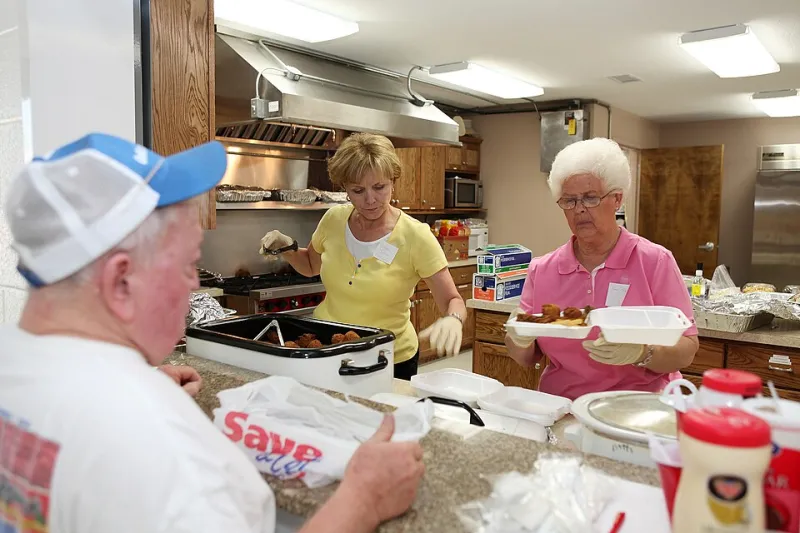
Photo: David Fine, Public domain, via Wikimedia Commons
The call goes out on a Tuesday. A member of the congregation has died. By Wednesday, the church kitchen smells like baked chicken and green beans. By Thursday, the family has seven casseroles, four pound cakes, and no idea what is in any of the foil pans stacked in the freezer.
This is not a knock on church cooks. It is a familiar story in Knoxville and plenty of other places. People want to help. Food is the fastest way to help. But grief is chaotic, and a freezer full of unlabeled generosity can become one more thing for a family to manage.
Some congregations are changing that. They are not abandoning the casserole. They are putting a name on it, a date on it, and a plan behind it.
The Problem With Seven Lasagnas
Bereavement meals usually arrive in a burst. Everyone wants to bring something for the visitation or the funeral lunch. The family eats well for two days. Then the services end, the out-of-town relatives leave, and the house gets quiet. That is often when the practical needs get sharper, not softer. The pantry is still empty. The kids still need dinner. The widow still has to go back to work.
There is also the freezer problem. Unlabeled pans are a guessing game. Dietary restrictions get lost in the rush. A family dealing with diabetes receives three desserts. Someone with a dairy allergy gets a macaroni and cheese. A church member drops off a dish in a container that needs to be returned, and now the family has to track it down. None of this is malicious. It is just uncoordinated.
A Coordinator, a Calendar, and a Simple Question
The ministries that do this well tend to start with one person who agrees to coordinate. That coordinator does not cook everything. They make a few phone calls, set up a sign-up sheet, and protect the family from the question, What can I bring?
The first move is to ask the family what would actually help. Some families want a full meal after the funeral. Some want breakfast items. Some want paper plates and trash bags. Some want nothing in the house and would rather have restaurant gift cards. The answer is not universal. The coordinator asks a close friend or family member, not the grieving spouse in the middle of arranging a service.
Then comes the calendar. Instead of everyone delivering on the same night, meals are spaced out. Sign-up slots cover the first two weeks and sometimes longer. An online meal calendar works, but a paper sheet in the fellowship hall still works too. The point is not the tool. The point is the gap between good intentions and an actual plan.
The Details That Make It Dignified
A bereavement meal ministry lives or dies on small details. Label every container with the date, the main ingredients, and reheating instructions. Use disposable pans that do not need to be returned. If you use a nice dish, put your name on the bottom and do not expect it back. Write dietary notes on the sign-up sheet. Ask about allergies, sodium restrictions, and foods the family avoids.
Drop-off matters too. Call or text before arriving. Do not stay for a visit unless the family invites you. Keep the handoff short. If the family is not home, use a cooler with ice packs or follow the agreed plan. A grieving family should not have to host the person delivering dinner.
Paper goods are quietly heroic. Plates, napkins, plastic utensils, cups, and trash bags mean fewer dishes when no one has energy to wash them. A small basket of shelf-stable breakfast items, coffee, and easy snacks can be more useful than another pan of pasta. So can a grocery gift card for the week after the services.
Beyond the Funeral
The first week gets attention. The third week often does not. A congregation that wants to care well should plan for follow-up. Put a reminder on the calendar for a check-in call. Ask if the freezer is full or empty. Offer a meal again after the extended family leaves. Remember the first holiday without the loved one. Remember the anniversary of the death.
This does not require a committee. It requires someone who keeps a list and uses it. A simple note that says, We have not forgotten, is often more valuable than another casserole. So is a ride to an appointment, help with a yard, or childcare during a meeting with the lawyer.
A Ministry That Fits Your Church
If your congregation does not have a bereavement meal ministry, you do not need to launch a formal program. Start with one coordinator, one sign-up sheet, and one checklist. Decide who will ask the family about needs. Decide how meals will be labeled. Decide how long the support will last. Then tell the congregation what to do instead of leaving everyone to guess.
The casserole is not the problem. The casserole is a symbol of a church that shows up. But a little coordination turns that symbol into something a grieving family can actually use. In Knoxville, that might be the difference between a freezer full of foil pans and a neighbor who knows your name, your dietary needs, and the fact that the hard part does not end when the funeral does.